About
BLOG

Interested in a little light reading?

Our blog is continually updated with helpful educational information, advises, research and insights—all in the name of helping you level-up your color and appearance needs. Grab a drink and enjoy our stories!

Explore Our Stories
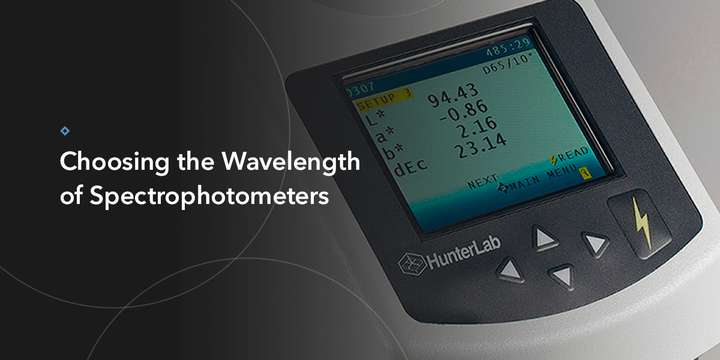
Choosing the Wavelength of Spectrophotometers

"Choosing the Wavelength of Spectrophotometers"

Read More

Explore Our Products

VIEW MORE

01-How-to-Use-a-SpectrophotometerforSelecting.jpg

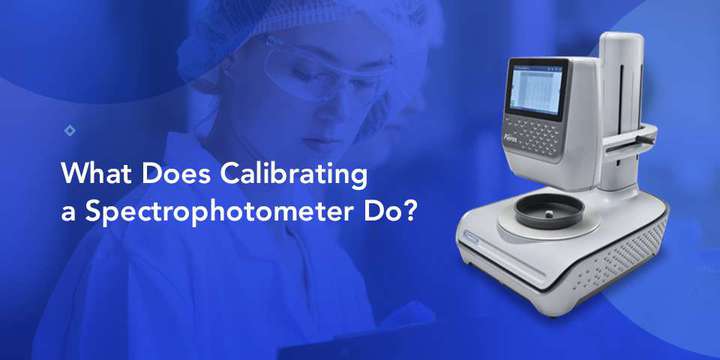
"What Does Calibrating a Spectrophotometer Do?"

Read More
01-What-Different-Types-of-Color-Spectrophotometer.jpg

"What Different Types of Color Spectrophotometers Are There?"

Read More
01-How-to-Operate-a-Spectrophotometer1.jpg

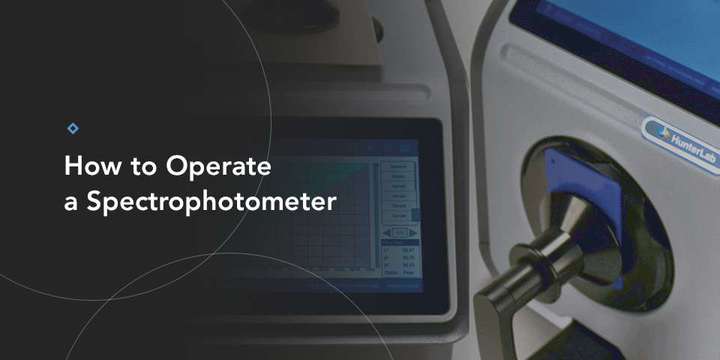
"How to Operate a Spectrophotometer"

Read More
01-key-differences-between-spectrometers-and-sp.original.png

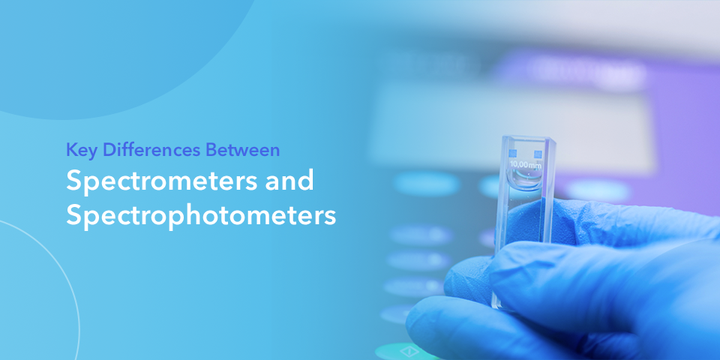
"Key Differences Between Spectrometers and Spectrophotometers"

Read More
01-key-differences-between-spectrometers-and-sp.original.png

"Key Differences Between Spectrometers and Spectrophotometers"

Read More
01-key-differences-between-spectrometers-and-sp.original.png

"分光計と分光光度計の主な違い"

Read More

Choosing the Wavelength of Spectrophotometers

Posted on Dec 19, 2025 by HunterLab

Modern technology has significantly changed how spectrophotometers perform compared to the early models from many decades past. These devices have become vital in global research, development and production across a broad industry range. Because multiple spectrophotometer types play different roles, choosing the correct device and selecting the optimal settings for each instrument are vital for achieving the most desirable results.

Posted in Instruments And Software

What Does Calibrating a Spectrophotometer Do?

Posted on Dec 19, 2025 by HunterLab

Spectrophotometers are powerful solutions for objectively and scientifically quantifying color data in products. These devices capture measurements for comparison against a known scale or index to ensure goods' color falls within acceptable tolerances, supporting higher quality. Calibration is a crucial factor in ensuring the equipment delivers — and continues to provide — precise, accurate color measurements.

What Is Spectrophotometer Calibration?

Calibration of a spectrophotometer is a process for adjusting the device's sensitivity to certain wavelengths of light. This precise adjustment helps verify that the unit is measuring wavelengths as intended and quantifying color correctly. It substantially differs from standardization, a process that end users perform in their facilities.

Posted in Instruments And Software

What Different Types of Color Spectrophotometers Are There?

Posted on Dec 19, 2025 by HunterLab

As the ideal solution for analyzing sample color, spectrophotometers are essential equipment for quality, research, and forensic labs worldwide. These powerful devices capture critical data about a substrate's properties to help quantify or categorize it accurately. Spectrophotometers contain a spectrometer, which detects and measures wavelengths using sensors to break down the energy into its components. They also include a light source that emits energy into the sample.

Different types of spectrophotometers exist, each with distinct functions and ideal applications, including color spectrophotometers that help ensure color and appearance quality and consistency. These are specialized solutions designed exclusively to measure color within the visible spectrum between about 360 and 780 nanometers — the wavelengths of light the human eye can perceive. Color spectrophotometers come in multiple styles and employ different optical configurations to provide precise color and spectral data.

What Is a Color Spectrophotometer Used For?

Color spectrophotometers are invaluable in any application where quantifying color according to a set of numerical values is crucial to quality and product appearance. Common spectrophotometer uses and industries include the following.

Food and Beverage Manufacturing

Appearance is an important quality indicator in buying decisions, and spectrophotometers help food manufacturers ensure their products fall within acceptable color expectations to entice consumers. Color can also signify a food's suitability for safe consumption and influence perceptions of flavor, freshness, and nutrition. Food manufacturers rely on spectrophotometers to quantify chromatic data for products ranging from snack foods to dairy-based items, fruits and vegetables, and edible oils.

Color plays an equally pivotal role in beverage production, where it helps establish the commercial quality of coffee and the clarity of bottled water according to industry scales.

Plastic Manufacturing

Plastics manufacturers face unique color challenges as industry regulations evolve. Natural yellowing during virgin production calls for the use of optical brighteners to overcome. With more and more governmental mandates for higher post-consumer recycled content, finding the ideal mix to achieve the desired color repeatedly is an ongoing issue for most. Color spectrophotometers help companies in the plastics industry identify and maintain the optimal balance needed for quality, compliance, and appearance.

Chemical Processing

Samples in the chemical processing industry range from opaque powders to translucent or transparent liquids, with some being substantially costly. Accurate chemical mixing is also paramount to safety. Color spectrophotometers enable professionals in this industry to ensure quality and safety by helping identify physical properties and adhere to strict tolerances.

Other Industries

Additional industries relying on color spectrophotometers for capturing chromatic and spectral data include:

  • Bio-pharmaceuticals
  • Building products
  • Paints and coatings
  • Textiles
  • Paper goods

Posted in Instruments And Software

How to Operate a Spectrophotometer

Posted on Dec 19, 2025 by HunterLab

Spectrophotometric solutions simplify the science of quantifying chromatic data for many industries. Manufacturers using a spectrophotometer benefit from higher product quality and consistency, increasing customer satisfaction. Accurately quantifying color and appearance starts with learning how to use a spectrophotometer correctly and implementing a standardized process.

1. Turn the Device on and Allow It to Warm Up

The first step in preparing a spectrophotometer for use is to turn it on and allow it to warm up so it can function correctly. Warmup times can vary depending on the model and manufacturer, but you'll generally want to wait 30 minutes. To protect the integrity of your outcomes, verify the exact time frame by consulting your owner's manual.

Posted in Instruments And Software

Key Differences Between Spectrometers and Spectrophotometers

Posted on Jun 11, 2025 by HunterLab

«Espectrómetro» es un término general que se refiere a cualquier instrumento que mide cómo interactúa la radiación electromagnética con la materia. Un espectrofotómetro es un tipo específico de espectrómetro diseñado para medir la cantidad de luz que refleja o transmite una muestra en un rango de longitudes de onda que representan la visión humana típica. Ambos son equipos fundamentales para el control de calidad en muchas industrias, pero cada uno tiene sus propios fines y aplicaciones ideales. Explorar sus características y diferencias le ayudará a determinar qué opción se adapta mejor a las necesidades específicas de su negocio.

¿Qué son los espectrómetros?

Este equipo cuantifica la radiación electromagnética dentro de longitudes de onda específicas de una muestra.

Los tipos modernos de espectrómetros incluyen los siguientes:

  • Espectrómetros de resonancia magnética nuclear (RMN) que ayudan a los bioquímicos a evaluar las propiedades de las moléculas orgánicas.
  • Espectrómetros ópticos que miden la intensidad de la luz en diferentes longitudes de onda para analizar las propiedades ópticas de una muestra.
  • Espectrómetros de masas que analizan la masa molecular de una muestra para ayudar a identificar su composición molecular.

Ventajas de los espectrómetros

Las ventajas de los espectrómetros incluyen:

  • Sensibilidad: Estas soluciones avanzadas pueden detectar incluso cantidades mínimas de muchos elementos y compuestos, así como variaciones minúsculas dentro de las muestras.
  • Versatilidad: Los espectrómetros pueden cuantificar espectros de líquidos, sólidos y gases.
  • Amplio espectro: Los espectrómetros ópticos pueden medir y cuantificar longitudes de onda más allá del espectro visible, como los rayos ultravioleta y la luz infrarroja.

Aplicaciones ideales para espectrómetros

Estas soluciones son esenciales en muchas industrias y aplicaciones, tales como:

  • Ciencias de la vida
  • Criminalística forense
  • Caracterización de materiales
  • Control de la contaminación
  • Exploración espacial
  • Calidad del agua
  • Análisis agrícola

Posted in Instruments And Software

Key Differences Between Spectrometers and Spectrophotometers

Posted on Jun 11, 2025 by HunterLab

“Spectrometer” is a general term for any instrument that measures how electromagnetic radiation interacts with matter. A spectrophotometer is a specific type of spectrometer designed to measure how much light is reflected or transmitted by a sample across a range of wavelengths representing typical human vision. Both are critical quality assurance equipment in many industries, yet each has its distinct purposes and ideal applications. Exploring their traits and differences will help you determine which option best meets your unique business demands.

What Are Spectrometers?

This equipment quantifies the electromagnetic radiation within specific wavelengths of a sample.

Modern spectrometer types include the following:

  • Nuclear magnetic resonance (NMR) spectrometers that help biochemists evaluate the properties of organic molecules
  • Optical spectrometers that measure the intensity of light at different wavelengths to analyze the optical properties of a sample
  • Mass spectrometers that analyze a sample's molecular mass to help identify its molecular composition

Benefits of Spectrometers

Advantages of spectrometers include:

  • Sensitivity: These advanced solutions can detect even trace amounts of many elements and compounds and minute variations within samples.
  • Versatility: Spectrometers can quantify spectra from liquids, solids, and gases.
  • Wide spectrum: Optical spectrometers can measure and quantify wavelengths beyond the visible spectrum, such as ultraviolet rays and infrared light.

Ideal Applications for Spectrometers

These solutions are essential in many industries and applications, such as:

  • Life sciences
  • Criminal forensics
  • Material characterization
  • Pollution monitoring
  • Space exploration
  • Water quality
  • Agricultural analysis

Posted in Instruments And Software

分光計と分光光度計の主な違い

Posted on Jun 11, 2025 by HunterLab

「分光計」とは、電磁放射が物質とどのように相互作用するかを測定する装置の総称である。分光光度計は、典型的な人間の視覚に相当する波長範囲にわたって、試料によって反射または透過する光の量を測定するように設計された特定のタイプの分光計です。どちらも多くの産業において重要な品質保証装置ですが、それぞれに明確な目的と理想的な用途があります。それぞれの特徴や違いを知ることで、どのオプションがお客様のビジネスニーズに最も適しているかを判断することができます。

分光計とは?

この装置は、試料の特定波長内の電磁放射を定量化する。

最近の分光計のタイプには次のようなものがある:

  • 生化学者が有機分子の特性を評価するのに役立つ核磁気共鳴(NMR)分光計
  • 異なる波長の光の強度を測定し、試料の光学的特性を分析する光学分光計。
  • 試料の分子量を分析し、分子組成の特定に役立てる質量分析計

分光計の利点

分光計の利点は以下の通りである:

  • 感度: これらの高度なソリューションは、多くの元素や化合物の微量やサンプル内の微小な変動も検出することができます。
  • 汎用性: 分光計は、液体、固体、気体からのスペクトルを定量することができます。
  • 広いスペクトル: 光学スペクトロメーターは、紫外線や赤外線など、可視スペクトル以外の波長を測定し、定量化することができます。

分光計に最適なアプリケーション

これらのソリューションは、次のような多くの産業や用途で不可欠である:

  • 生命科学
  • 犯罪科学捜査
  • 材料特性
  • 汚染モニタリング
  • 宇宙探査
  • 水質
  • 農業分析

Posted in Instruments And Software
Prev
1
2
3
…
Next

Most Related Posts

  • Choosing the Wavelength of Spectrophotometers
  • What Does Calibrating a Spectrophotometer Do?
  • What Different Types of Color Spectrophotometers Are There?
  • How to Operate a Spectrophotometer
  • Key Differences Between Spectrometers and Spectrophotometers
  • Key Differences Between Spectrometers and Spectrophotometers
  • 分光計と分光光度計の主な違い
More

Follow us on social

  • LinkedIn
  • YouTube
  • facebook
  • X
  • instagram